
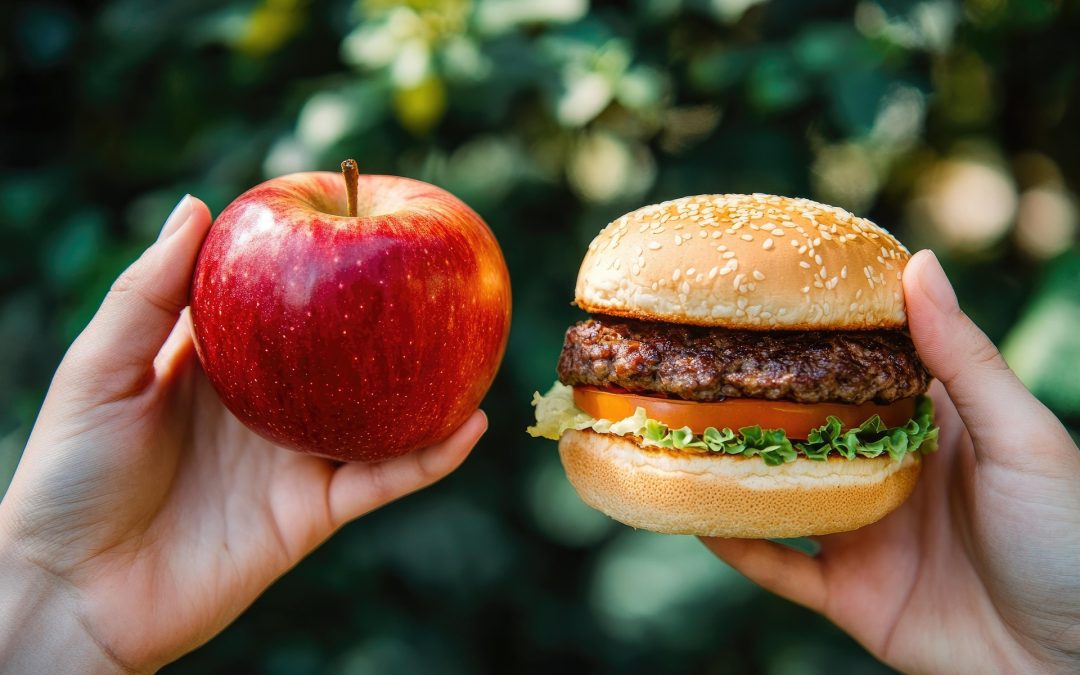
Something I’ve been chatting quite a lot with people about this week is the difference between sustainable weight loss vs maximising fat loss— and understanding that we can’t really have both at the same time.
However, both approaches can absolutely be used successfully in phases if you accept the speed, commitment level, and corresponding results that come with each.
Very commonly, people say they want to “lose weight.”
What they actually mean varies massively.
Some people want a sustainable, realistic approach they can maintain whilst still enjoying meals out, birthdays, holidays, and the occasional wine-fuelled “sod it” moment.
Others want maximum fat loss. Fast. Aggressive. Locked in. Meal prep containers stacked in the fridge like a military operation.
Neither is wrong.
But they are very different paths — and where people struggle is pretending they want one whilst secretly expecting the results of the other.
Sustainable Weight Loss
This is the slower, steadier route.
It’s based around habits, consistency, flexibility, and building a lifestyle you can realistically maintain long term.
It usually means:
- Moderate calorie deficit
- Flexibility for social events
- Less restriction
- Slower rate of loss
- Learning habits rather than simply “being good”
The Upside?
You’re more likely to actually keep the weight off.
You can go for dinner without behaving like you’re preparing for a bodybuilding show.
You can enjoy weekends, learn balance, and life still feels… like life.
The Downside?
It can feel painfully slow sometimes.
One week the scale is down, then the next week it’s up because your hormones, sleep, stress, sodium intake, and the universe decided to have a laugh.
And because progress is slower, people often panic and think:
“This isn’t working.”
Even when it absolutely is.
Sustainable fat loss requires patience — which I know many of us lack.
Maximising Fat Loss
This is the:
“Right, let’s get after it.”
phase.
Higher commitment. More structure. More sacrifice.
Usually this means:
- Larger calorie deficit
- Tighter nutrition
- Higher training focus
- Fewer social meals and less alcohol
- More routine and discipline
- Faster visible results
And to be fair, this approach works brilliantly… short term.
You often feel highly motivated because progress comes quickly.
Clothes fit differently.
Photos change.
People notice.
But here’s the catch:
Fast results often require temporary behaviours.
And if someone tries to maintain “all or nothing” intensity forever, eventually they end up ejecting from the cockpit like Goose in Top Gun…
“Crash and burn, huh Mav?”
Then we end up stuck in that:
- “Start again Monday”
- Feel like a failure
- Regain the weight
- Repeat
cycle.
Not because of weakness.
But because the commitment level chosen didn’t match their actual lifestyle, values, or capacity right now.
The Real Question Isn’t:
“Which is best?”
It’s:
“What can I genuinely commit to right now?”
Because your approach should match:
- Your personality
- Your stress levels
- Your schedule
- Your priorities
- Your current season of life
If work is manic, the kids are off school, you’ve got three weddings coming up, and your sleep resembles a power nap rather than a full night’s rest… maybe now isn’t the time for an ultra aggressive cut.
Likewise, if you’ve got a strong reason, a clear timeline, and the ability to commit fully for 6–8 weeks, a focused fat loss phase can be incredibly effective.
Ask Yourself Honestly
- Do I want fast results… or realistic consistency?
- Am I willing to sacrifice social flexibility temporarily?
- How do I normally respond to restriction?
- Am I someone who thrives with structure?
- Will slower progress demotivate me?
- Do I currently have the bandwidth for high commitment?
- Am I chasing results… or building identity change?
Because the truth is:
The “best” plan is the one you can adhere to long enough for it to matter.
There’s Opportunity For Both
This isn’t an either/or situation.
Some people thrive using phases:
- A focused fat loss phase
- Followed by a sustainable maintenance phase
- Then another push later
Others do far better staying moderate year-round and avoiding extremes entirely.
Both are valid.
The mistake is trying to live permanently in “diet mode” and wondering why eventually your brain starts negotiating with you over biscuits at 9pm.
You do not need to suffer constantly to succeed.
But you do need honesty.
Honesty about:
- What you actually want
- What you value
- What you’re genuinely willing to commit to
Because sustainable progress isn’t built on perfection.
It’s built on consistency you can repeat when motivation inevitably disappears for a little holiday.
And trust me — motivation is less reliable than British summer.